
Build a construction sales pipeline
How to set up a written, staged pipeline for a construction or trades company, which numbers to watch, and the weekly habit that keeps it honest.
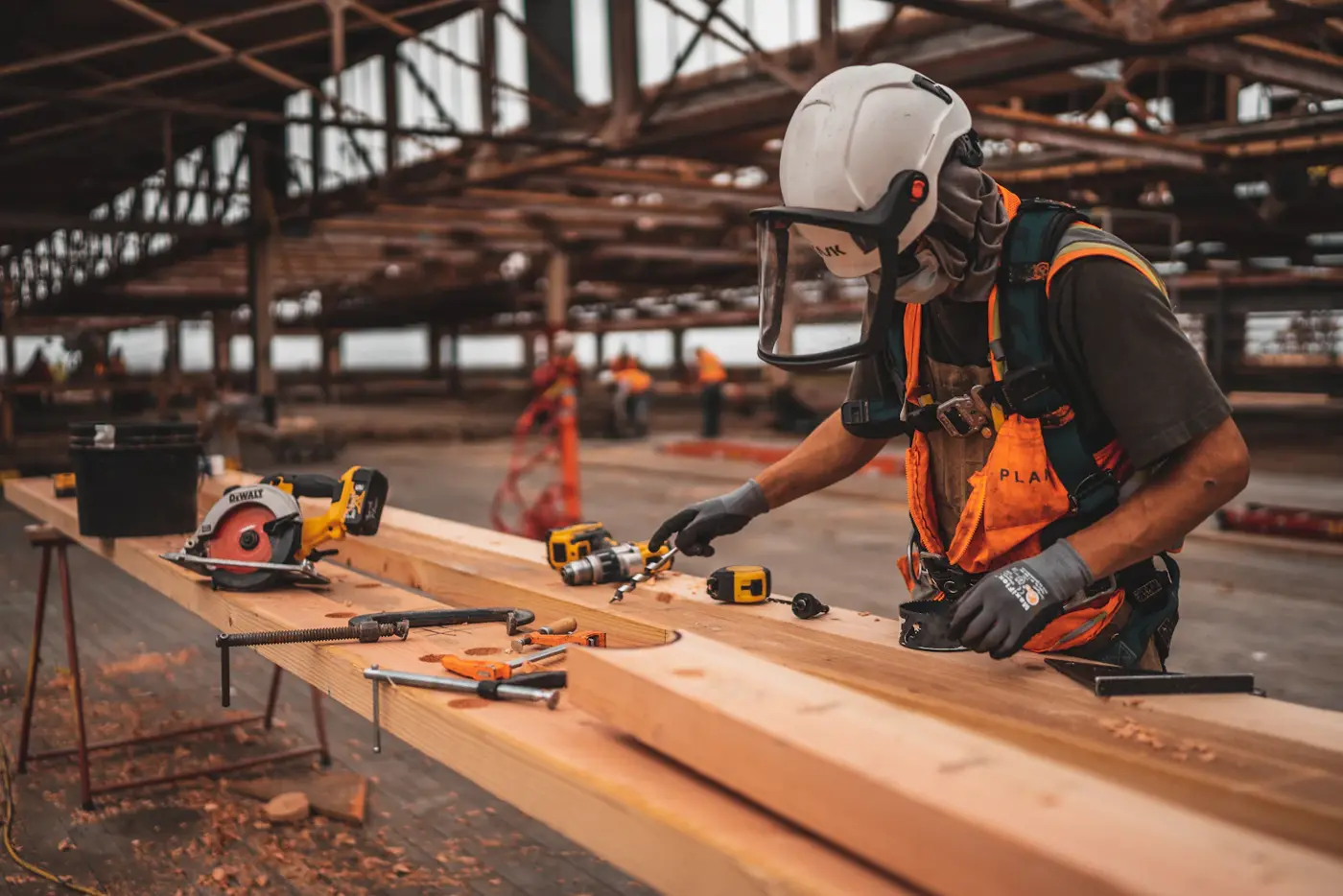
Ask most contractors what's in their pipeline and you'll get one of two answers: a list of jobs currently being built, or a vague "we've got a few things out there". Neither is a pipeline. A construction sales pipeline is a written, staged list of every opportunity you're pursuing, with a next step and an owner beside each one, so you can see in March whether you'll be busy in September. This guide shows how to set one up for a construction or trades company, which stages to use, which numbers to watch, and the weekly habit that keeps it honest.
Why construction companies need a pipeline
Construction sales cycles are long and lumpy. A project can sit for months between first conversation, design, budget approval, tender and award, and then a single signature fills your schedule for a year. Without a pipeline, owners only notice the gap when crews are standing around, by which time it's six months too late to fix.
BDC's advice to construction firms makes the same point from a different angle: many companies are used to growing through word of mouth, that approach is getting harder, and it's important to develop a proactive and systematic approach to building sales. A pipeline is what "systematic" looks like in practice. BDC also warns against keeping all the information in one salesperson's head: if they leave, the knowledge goes with them.
The stages of a construction sales pipeline
Keep the stages few and defined by something that actually happened, not by how hopeful you feel. Here's a set that fits most contractors and trades:
| Stage | Entry rule (what must be true) | Typical next action |
|---|---|---|
| 1. Target | A named owner, developer, GC or public buyer you'd like to work for | Find the decision-maker and a reason to talk |
| 2. Lead | A specific project or need exists | Qualify: size, timing, fit, how it will be bought |
| 3. Qualified | It passes your bid/no-bid screen | Prequalify, get on the bid list, request documents |
| 4. Pricing | Documents in hand, estimate under way | Site visit, questions to the contact, takeoff |
| 5. Submitted | Price or proposal delivered | Follow up, answer clarifications |
| 6. Won or lost | Decision received | Contract, or debrief and lessons |
Stage 3 matters most. A pipeline full of jobs you'd never seriously bid isn't a pipeline, it's a wish list. Our guide to contractor prequalification covers how owners screen you; your own screen should be just as strict.
The numbers that tell you what closes next month
BDC suggests that a first sales plan track just three to five metrics consistently, such as the percentage of leads that go all the way from qualification to closing. For a construction sales pipeline, these five do most of the work:
- Value by stage. Total dollar value of opportunities at each stage. If stages 1–3 are empty, next year is in trouble, no matter how busy this year is.
- Win rate. Jobs won divided by jobs submitted, tracked by client type and job size. It tells you where you're competitive.
- Average time in stage. How long opportunities sit at each step. A pile-up at "Pricing" usually means an estimating bottleneck.
- Weighted forecast. Each opportunity's value multiplied by your own historical win rate for that type of work, summed by expected start month. Rough, but far better than a guess.
- Source of each win. Referral, repeat client, bid list, public posting, introduction. Over a year, it shows which activities actually produce work.
Don't invent the percentages. Use your own history. If you don't have any, start recording now and the numbers will mean something within a couple of quarters.
Filling the top of the construction sales pipeline
Most pipelines don't fail at closing. They fail because nothing new goes in at the top while everyone's busy building. BDC's construction guidance describes the inputs: targeted outreach to the customers and decision-makers most likely to buy, clear messaging, and consistent prospecting and follow-up, rather than waiting until the pipeline runs low. In BC construction terms, that usually means:
- Repeat clients first. A short check-in with every past client each quarter: what are you planning next?
- Bid lists. Getting on the right GCs' lists and staying there by responding every time.
- Public opportunities. Watching BC Bid for your commodity codes; our guide on how to use BC Bid covers how.
- Introductions. Warm introductions to developers and GCs from people who already know both sides.
The weekly pipeline meeting
A pipeline only works if someone looks at it. Thirty minutes, same day every week, with whoever owns estimating and sales:
- What moved stage since last week, and what's stuck?
- Does every opportunity have a next action, an owner and a date?
- What came in at the top?
- Anything we should drop?
A spreadsheet is fine to start. BDC's view is that everyone should be using a CRM, but it also warns that loading data shouldn't crowd out time spent with customers. Pick whatever your team will actually update.
Where Pantheon fits
Sales pipeline development, "a pipeline you can see: stages, owners, and numbers that tell you what closes next month", is one of the service lines in our service catalogue, under the Business Development pillar. For companies that aren't ready to hire a full-time business development person, we do the work on contract: building the pipeline, making the introductions and chasing the next stage of growth while you run the business. See how the two tracks work, or book a free first conversation.
Frequently asked questions
What is a construction sales pipeline?
A written, staged list of every opportunity you're pursuing, with a next step and an owner beside each one, so you can see well in advance whether your schedule will be full.
What stages should a construction sales pipeline have?
A simple set is target, lead, qualified, pricing, submitted, and won or lost, with each stage defined by something that actually happened.
What metrics should I track?
Value by stage, win rate by client type and job size, average time in each stage, a weighted forecast based on your own win rates, and the source of each win.
Do I need CRM software?
A spreadsheet is fine to start. BDC's view is that everyone should be using a CRM, but it also warns that loading data shouldn't crowd out time spent with customers.
Want a second set of eyes on your next bid?
The first conversation is free and there is no script. Tell us where you want the business to go and we will tell you honestly whether we can help.