
How to find subcontractors who deliver
Where general contractors and builders in BC can find reliable subtrades, the five checks to run before signing, and how to keep good trades coming back.
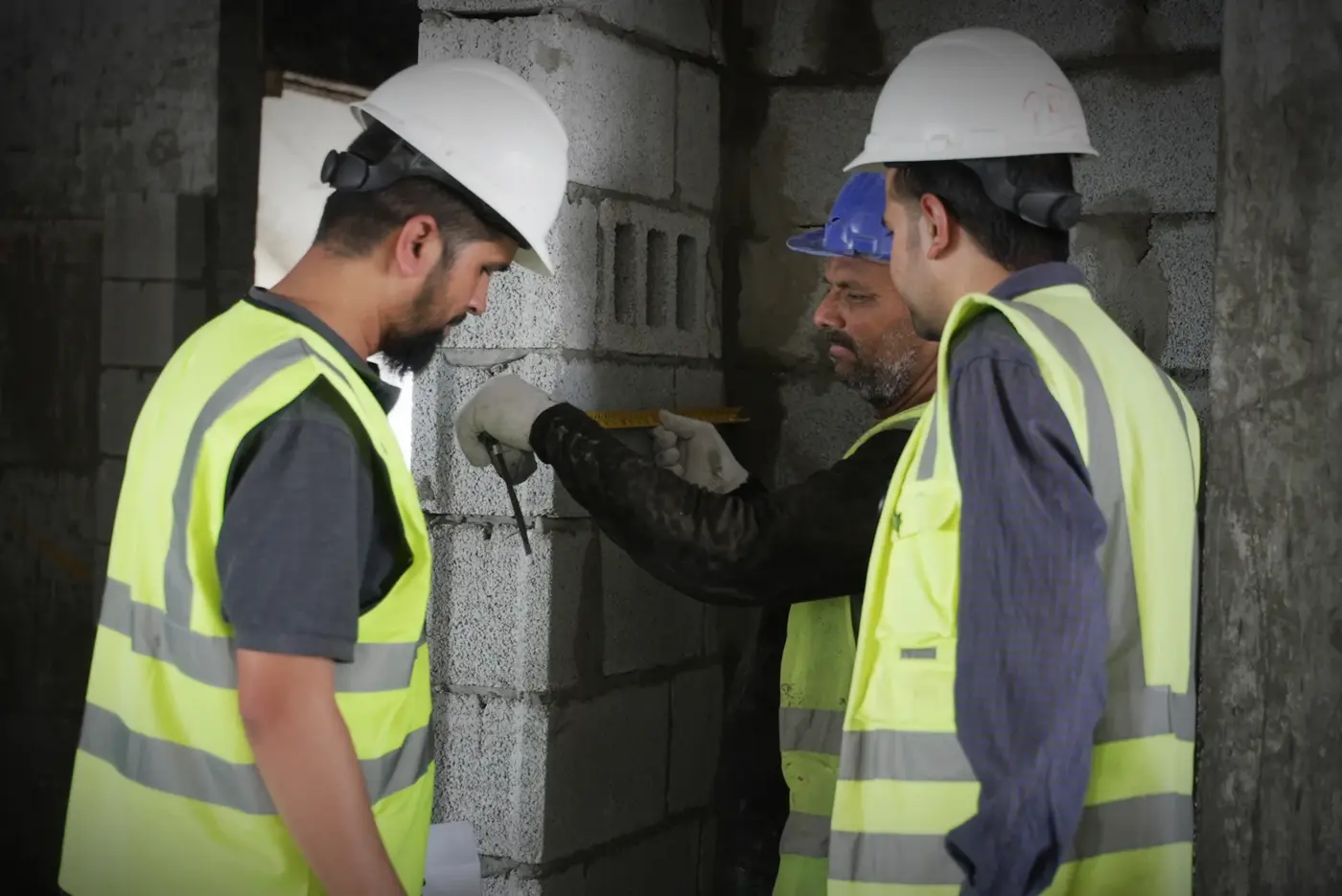
Every general contractor and builder in the Lower Mainland knows the feeling: the job is awarded, the schedule is tight, and the trade you were counting on just booked out for three months. Knowing how to find subcontractors fast is useful. Knowing how to find subcontractors who show up, price honestly and finish is what keeps your margin and your reputation intact. This guide covers where to look in BC, the checks that separate a reliable sub from a risky one, and how to build a bench so you're not scrambling next time.
Where to look for subcontractors in the Lower Mainland
Your own past bids
Start with the trades who priced your last few jobs, including the ones who didn't win. They already know how you work and they've seen your drawings. A short call saying "we've got another one coming, are you interested?" costs nothing.
Bid depository and planholder lists
On publicly funded and larger private projects, trade prices often come through the bid depository. The BC Construction Association describes it as an industry standard created mostly by trade contractors, and recommends it for trades of $50,000 or more on institutional, commercial, industrial or multi-family projects over $500,000. The trades who submit through the depository are, by definition, active, bondable and pricing work at that scale. Construction associations also keep planholder lists, which show who is looking at which projects.
Public contract awards
The Province's guidance on releasing procurement information says that where subcontractors are specifically named in a contract between the government and the prime contractor, as can happen on a construction procurement, those names are routinely released after the contract is signed. Award information is a quiet way to see which trades are doing public work of the size you need.
Referrals from people you trust
Suppliers, estimators, consultants and other trades know who's good and who's overloaded. Ask specific questions: "Who would you use for a 12-unit wood-frame mechanical package?" gets a better answer than "know any plumbers?"
Five checks before you sign anyone
Finding names is the easy part. The checks below take an afternoon and protect you from the expensive mistakes.
| Check | Where it comes from | Why it matters |
|---|---|---|
| WorkSafeBC clearance | WorkSafeBC clearance letter, before and after the work | WorkSafeBC says if you hire a registered contractor who isn't making required payments, you could be liable for premiums related to their work |
| Licensing for regulated work | Technical Safety BC | Technical Safety BC says contractors working with regulated systems and equipment must be licensed, for every technology in which they perform regulated work |
| Residential builder licence | BC Housing | BC Housing says a general contractor, developer or building envelope renovator who wants to build a new home in B.C. must first become a licensed residential builder |
| Insurance and bonding | The sub's broker and surety | Your contract will set the insurance and security required; get certificates before mobilization, not after |
| References on similar scope | Two or three recent clients | Ask whether they'd hire them again, and whether manpower matched what was promised |
Don't skip the worker question
WorkSafeBC warns that some contractors may actually be your workers if they don't operate as an independent business, for example a contractor who supplies only labour and minor materials such as nails, drywall tape or putty. In that case you'd be responsible as their employer for premiums. WorkSafeBC also notes that a proprietor may be registered for their workers but have declined Personal Coverage for themselves, and that privacy rules stop WorkSafeBC from telling you; you can ask the contractor directly for proof. Our clearance letter guide walks through each status.
How to find subcontractors who'll still be there next year
The best subs are busy, so the question isn't only how to find subcontractors, it's how to become the GC they want to work for. In practice, the trades that stay loyal care about three things:
- Getting paid on time. BC's Builders Lien Act already requires a 10% holdback on contracts and subcontracts under which a lien may arise. Paying the other 90% promptly, and releasing holdback when it's due, is how you earn a sub's best price next time.
- Complete drawings and a fair scope. Subs price what they see. A clear scope sheet with inclusions and exclusions saves arguments later.
- A well-run site. If you're the prime contractor, you're responsible under the Workers Compensation Act for coordinating health and safety among every employer on site. A site that's organized and safe is one trades want to come back to.
Bid shopping: the fastest way to lose good trades
Using one sub's price to beat down another after the bid is the quickest way to empty your bench. The BCCA describes bid depository as the method that lets trade contractors know they've been treated fairly, since they can see competitors' bids after award, and its guidance notes that one of the main reasons negotiation is generally not permitted in a tender process is to prevent bid shopping. If you want good trades pricing your work, treat their numbers as confidential and award on what you said you'd award on.
Building a bench instead of starting from scratch
Keep a simple trade register: for each division, two or three subs you've vetted, with clearance dates, licence numbers, insurance expiry dates, crew size and the last job you did together. Review it every quarter. When a job lands, you're making calls, not searching.
If the bench is thin, that's where we come in. Contractor matchmaking, with vetted contractor introductions matched to the scope, budget and timeline in front of you, sits under our Contractor Matchmaking pillar, and our service catalogue lists the trade partner network and subcontractor networking lines that support it. It's performance-based: if we do not deliver the right connection, you do not pay. See how the Connections track works, or start a conversation on 780-932-8977.
Frequently asked questions
Where can I find subcontractors in the Lower Mainland?
Start with trades who priced your recent jobs, then use bid depository submissions and planholder lists, public contract award information and referrals from suppliers, consultants and other trades.
What should I check before hiring a subcontractor in BC?
Get a WorkSafeBC clearance letter before and after the work, confirm Technical Safety BC licensing for regulated work, confirm a residential builder licence for new homes, get insurance and bonding certificates, and call references on similar scope.
Can I be liable for a subcontractor's WorkSafeBC premiums?
Yes. WorkSafeBC says if you hire a registered contractor who isn't making required payments, you could be liable for premiums related to their work. That's why it recommends a clearance letter before and after the work.
Do electrical and gas subcontractors need a licence in BC?
Technical Safety BC says contractors working with regulated systems and equipment must be licensed, for every technology in which they perform regulated work.
What is bid shopping?
Bid shopping is using one subcontractor's price to pressure another after bids are in. The BCCA's guidance notes that one of the main reasons negotiation is generally not permitted in a tender process is to prevent it.
Want a second set of eyes on your next bid?
The first conversation is free and there is no script. Tell us where you want the business to go and we will tell you honestly whether we can help.