
Residential to commercial construction
What really changes when a BC contractor moves from residential to commercial work, the five gaps that catch people out, and a sequence that protects the business.
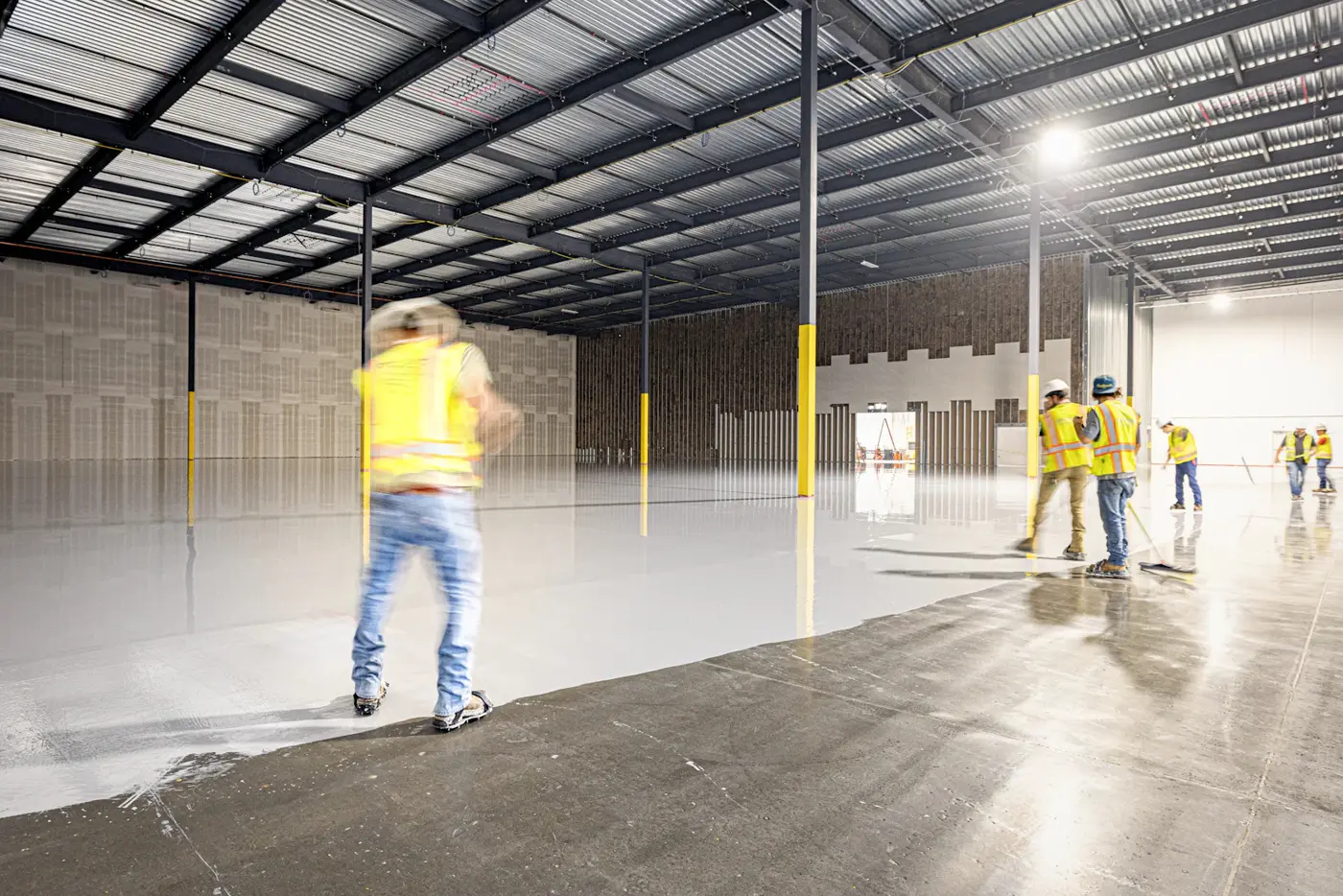
A lot of Lower Mainland contractors built their businesses on houses, renovations and small multi-family work, and at some point they look at commercial projects and think: bigger jobs, repeat clients, fewer homeowner surprises. The move from residential to commercial construction can be exactly that. It can also drain cash, stretch crews and expose a company to rules and paperwork it never had to deal with. This guide covers what actually changes when you make the jump in BC, the gaps that catch contractors out, and a sensible sequence for doing it without breaking what already works.
What changes when you move from residential to commercial
The work itself is often familiar. What's different is who buys it, how they buy it, and what they need to see before they'll trust you.
| Area | Typical residential | Typical commercial |
|---|---|---|
| Buyer | Homeowner or small developer | Owner's representative, consultant team, GC or public body |
| How work is won | Referral, quote, conversation | Prequalification, tender or scored proposal, bid lists |
| Contract | Short custom agreement or quote | Standard forms such as CCDC documents, plus supplementary conditions |
| Security | Rarely bonded | Bid, performance and payment bonds are common on larger work |
| Payment | Deposits and draws | Progress claims certified by a consultant, with 10% holdback |
| Site safety | Small crews, often one employer | Multiple employers, a prime contractor, formal coordination |
One licensing point runs the other way. BC Housing says a general contractor, developer or building envelope renovator who wants to build a new home in B.C. must first become a licensed residential builder. That licensing regime is built around new homes, so check with BC Housing which of your existing obligations still apply as your work mix changes.
Five gaps that catch residential contractors
1. Prequalification and paperwork
Commercial owners and GCs screen contractors before they let them price. The standard form is CCDC 11, the Contractor's Qualification Statement, which asks for financial, surety, insurance and safety references, key personnel and comparable projects. Our guide to contractor prequalification walks through it. If your best projects are custom homes, you'll need to present them in terms a commercial evaluator recognizes: value, scope, schedule, client type.
2. Bonding
Residential contractors often have no surety relationship at all. On bonded commercial work, the Surety Association of Canada explains that for a surety to provide a bid bond, the contractor must already meet its criteria to be bondable for performance. That relationship takes time and clean financials to build, so start well before the first bonded bid. See our guide to surety bonds for contractors.
3. Holdback and cash flow
BC's Builders Lien Act requires a 10% holdback on contracts and subcontracts under which a lien may arise, released after a holdback period that runs 55 days from a certificate of completion or from completion of the head contract or improvement. On a long commercial job, that's real money tied up for months, on top of progress claims that wait for consultant certification. Commercial growth that isn't funded properly is the fastest route to a cash crunch.
4. Being prime contractor
Once your sites have two or more employers working at the same time, someone is the prime contractor under the Workers Compensation Act, with a duty to coordinate health and safety and maintain a system for compliance. Larger jobs also trigger WorkSafeBC's Notice of Project rules, for example when the estimated labour and materials exceed $100,000. A residential crew that has always worked alone needs a different level of site management.
5. Bidding discipline
Residential quoting is often a conversation. Commercial bidding is a process with fixed closing times, addenda, mandatory requirements and evaluation rules. On many BC trade packages, prices go through the bid depository, which the BC Construction Association recommends for trades of $50,000 or more on institutional, commercial, industrial or multi-family projects valued at over $500,000. Missing a mandatory requirement or a closing time ends a bid outright.
A sensible sequence for the move
- Pick a niche you can defend. BDC's advice to construction companies is to pick a niche and do well in it. Multi-family, tenant improvements or light commercial are natural bridges from residential, because the trades and methods overlap.
- Start as a trade or under a GC. Working under a commercial GC teaches you the paperwork, the progress-claim cycle and the site rules with someone else carrying the prime contractor role.
- Build your bid kit. WorkSafeBC clearance letter, insurance certificates, a CCDC 11-style qualification statement, project sheets and, for provincial contracts of $100,000 or more, a tax verification letter.
- Open the surety conversation early. Clean, timely financial statements matter more here than anywhere else.
- Fund the gap. Model what holdback and slower certification do to your cash before you commit, and talk to your bank before you need to.
- Protect the residential side. Don't starve the business that pays the bills while the commercial side finds its feet.
How Pantheon helps with residential to commercial construction
"We want to move into commercial work" is one of the options in the business health check on our homepage. Commercial construction growth, "scaling into larger commercial work without losing the margin that got you there", is a service line under our Construction Industry pillar, and introductions to GCs and developers who need your trade sit under Contractor Matchmaking, which is performance-based. Joshua spent twenty years in construction, from the field up, before advising anyone; you can read more about the founder. Try the ninety-second health check, or book a free first conversation.
Frequently asked questions
What's the biggest difference between residential and commercial construction?
Who buys and how they buy. Commercial work is usually won through prequalification, tenders or scored proposals, under standard contract forms, often with bonding, consultant-certified progress claims and a 10% holdback.
Do I need bonding to do commercial construction in BC?
Not on every job, but bid, performance and payment bonds are common on larger commercial and public work. A surety will only provide a bid bond if you meet its criteria to be bondable for performance, so build the relationship early.
How does holdback affect cash flow on commercial jobs?
The Builders Lien Act requires a 10% holdback, released after a 55-day holdback period, so on long jobs a meaningful share of revenue is tied up for months. Model it before you commit.
What's a good first step from residential to commercial construction?
Pick a niche close to what you already do, such as multi-family or tenant improvements, and consider working as a trade or under a commercial GC first to learn the process.
Want a second set of eyes on your next bid?
The first conversation is free and there is no script. Tell us where you want the business to go and we will tell you honestly whether we can help.